 Digital Space Farmers
Texas locksmith advertising rules: license number, address and business cards
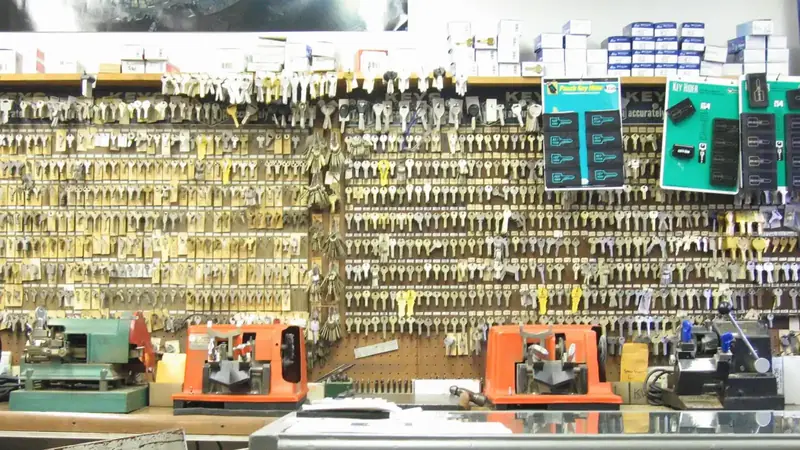
In Texas, a licensed locksmith company's ads must show its company name and address as the Department of Public Safety has them, and its company license number. The rule counts any media made to promote the business as an ad, business cards included, so your website, Google profile and truck all need it.
Sources checked October 26, 2026, and listed at the bottom. This is general information, not legal advice. Outside Texas, check your own state's locksmith licensing board.
The short answer
- The rule: Texas Administrative Code title 37, section 35.9, says a licensee's advertisements "must include" the company name and address as it appears in the department's records, and "the company's license number."
- The home address exception: the address is not required when it is the license holder's residential address.
- What counts as an ad: "any media created or used for the purpose of promoting the regulated business of the licensee, including business cards."
- What you can't use: the Texas state seal or the department's name or insignia to promote the business, beyond saying you are regulated by it.
Who this applies to
Locksmith companies in Texas are licensed by the Department of Public Safety, through its Private Security program. DPS says it "regulates the private security profession in Texas," runs fingerprint-based background checks on applicants and investigates complaints. The advertising rule in section 35.9 applies to licensees under that program, which includes locksmith companies.
To be licensed as a locksmith company, section 35.123 says the applicant or its company representative must qualify one of two ways: two consecutive years of full-time locksmith-related experience, or a department-approved 48-hour basic locksmith course plus a 600-hour fundamentals course. That matters for marketing because the license number you print belongs to the company, not to one technician.
The rule, in plain words
Section 35.9 has four parts. Read together, they say:
- Every ad shows who you are. Your company name and address, exactly as they appear in the department's records. If the address on file is the license holder's home, you can leave it off.
- Every ad shows your license number. The company's license number, not a technician's registration.
- No borrowed authority. You may not use the Texas state seal, or the name or insignia of the department or one of its divisions, to promote the business. You may use the department's name only to say you are regulated by it.
- Ads are broad. Anything made or used to promote the business is an ad, and the rule names business cards on purpose.
The section was last amended effective September 11, 2024, so a template you copied from an older site may not match it. Read the current text before you print anything in bulk.
Where it goes on a locksmith's website
A website promotes the business, so treat every page as an ad. The simplest way to get it right everywhere is to put it in one place that appears on every page:
- The footer, on every page: company name as licensed, the address on file (unless it is your home), and the company license number written out in full.
- The contact page: the same three items next to your phone number, so someone deciding whether to trust you sees them together.
- Your Google Business Profile: use the same company name as your license, and link the profile to your website, where the license number is.
- Paid ads and directory listings: if the format has room for text, include the number. Each one promotes the business.
If your address is your home, do not publish it on the website just because a template has an address line. Use your service area instead, and keep the license number.
Trucks, cards and flyers
The rule names business cards, which settles the usual question about small printed items. The same reading covers flyers, door hangers, magnets and vehicle lettering that promote the business: if it is made to bring in work, it is an ad. Order the next print run with the license number on it, and check the name matches your DPS record letter for letter.
When you change your company name or address with the department, list every place the old details appear: website footer, Google profile, directories, cards, vehicles. Update them in the same week.
The word "locksmith" is a licensing question too
Section 35.172 lets some people do limited lock work without a license: a store open to the public can duplicate keys and service products it sold, and a person hired directly by a customer can install a pre-keyed lockset with no rekeying. Repossession agents have their own narrow exemption.
Each of those exemptions applies only if the person "does not use the term 'locksmith' or any similar term, or otherwise create the impression to a reasonable consumer that the person is a licensed locksmith." So a handyman or a hardware counter that calls itself a locksmith on a website or sign loses the exemption. If you are licensed, this works in your favor: the word itself signals a license, and your number proves it.
Google checks locksmiths harder
Google's Advanced Verification policy lists locksmith services in the United States and Canada, the same policy that covers garage door companies. Before your Google ads run, expect checks of your business and license details. A website, profile and listings that show the same name, number and license make that easier. Our guide on Google's Advanced Verification walks through what it checks and how long it takes.
A five-minute check
- Open your home page on a phone and scroll to the bottom. Is the company license number there?
- Is the business name exactly the one on your DPS license?
- Is the address the one DPS has, or left off because it is your home?
- Does any page use the state seal or a DPS logo?
- Pull a business card out of your wallet. Same questions.
Then run the free Instant Website Score on your site for the rest: call buttons, speed and what Google can read.
What we do for locksmiths
A locksmith's site has to prove you are licensed and local before someone lets you open their door. We put the license details in the footer of every page, build a page per job, and make calling one tap. See websites for locksmiths, our prices, and the electrical contractor version of this rule if you also do access control wiring.
Questions people ask
Does a Texas locksmith have to put a license number on its website?
Texas rule 37 TAC 35.9 says a licensee's advertisements must include the company license number, and it defines an ad as any media made or used to promote the business. A website does that, so put the number on every page.
Do I have to show my home address in ads?
No. The rule requires the address on file with the department unless that address is the license holder's residential address.
Do business cards need the license number?
Yes. The rule names business cards as advertisements.
Can I say I am licensed by DPS?
You may use the department's name to say you are regulated by it. You may not use the state seal or the department's insignia, or word it so it looks like the department is speaking.
Can a hardware store call itself a locksmith?
The key duplication exemption in 37 TAC 35.172 applies only if the business does not use the term locksmith or give the impression it is a licensed locksmith.
Sources
- 37 Tex. Admin. Code § 35.9, Advertisements
- 37 Tex. Admin. Code § 35.172, Certain Locksmith Services
- 37 Tex. Admin. Code § 35.123, Locksmith Company License
- Texas Department of Public Safety: Private Security
Ask for a free audit More guides
Or call (346) 472-0629.
Check your own business
- Free Growth Audit: type your web address and get a score out of 100 in about 30 seconds, with what to fix first. No sign-up.
- Website cost calculator: See what a site like yours usually costs, with the assumptions shown.
- Website design for contractors: How we build sites for home service trades, and what each one includes.
Want our guides to show up first when you search Google? Pick us as a preferred source.
Add Digital Space Farmers as a preferred source on Google Websites for multi-location service businesses
 Texas mover website rules: TxDMV, USDOT and help line
 Electrician license number on your website, trucks and bids
See where your site stands.
Free, about 30 seconds, no email needed.
Get your Instant Website ScoreOr ask for the full audit, done by a person.