 Digital Space Farmers
Texas mover website rules: TxDMV number, help line and USDOT number

A Texas household goods mover's website must show three things on its home page: the mover's name, the Texas Department of Motor Vehicles' toll-free consumer help line, and the certificate number written as "TxDMV No." followed by the number. Movers that cross state lines must also show "U.S. DOT No." in every advertisement.
Sources checked October 26, 2026, and listed at the bottom. This is general information, not legal advice. Outside Texas, check your state's rules for movers as well as the federal one.
The short answer
- Website (Texas, 43 TAC 218.52(d)): on the home page, the mover's name, TxDMV's toll-free consumer help line as listed on TxDMV's website, and the certificate number in the form "TxDMV No. ______". A national mover can put it on its Texas page instead.
- Print ads aimed at a Texas local market (218.52(b)): the full business name as on the certificate, the street address of a place of business in Texas, and "TxDMV No. ______".
- Trucks (218.52(e)): the business name and "TxDMV No. ______" on both sides of the power unit, in letters and numbers at least two inches tall.
- Interstate (49 CFR 375.207): every advertisement shows your name as on your DOT record and "U.S. DOT No. (number)", in exactly that form.
Why Texas spells it out
Texas requires household goods movers to be licensed by TxDMV. Its consumer page puts it plainly: "By law, Texas movers must be licensed with the TxDMV," and it tells people to look the mover up before they hire, because "a licensed Texas mover will have an 'Active' TxDMV certificate number on file."
The same page lists the signs of an unlicensed mover: very low prices that rise once the truck is loaded, no local business address, cell phones as business phones, answering as just "Movers", unmarked or rental trucks, and no written proposal. Your website is where a careful customer checks you against that list. The number, the help line and a real name answer most of it in one glance.
The Texas rule, part by part
Section 218.52 of title 43 of the Texas Administrative Code covers advertising by household goods carriers and their agents. In plain words:
- Nothing misleading. A carrier and its agents "may not use any false, misleading, or deceptive advertisements."
- Print ads for a local Texas market carry the full business or assumed name as shown on the certificate, the street address of the carrier's or its agent's place of business in Texas, and the certificate number as "TxDMV No.".
- Agents may be named. A carrier may add the name of its household goods agent, as filed with the department.
- Websites show the carrier's name, the department's toll-free consumer help line as listed on the department's website, and "TxDMV No.". This goes on the home page of any website operated by or for the carrier. A national carrier may use the page for its Texas intrastate moves instead.
- Trucks show the name as it appears on the certificate and "TxDMV No." on both sides of the power unit, including short-term leased ones, at least two inches high.
Note the difference between print and web. The print rule asks for a street address; the website rule does not. It asks for the help line instead.
Where each item goes on the home page
- Header or first screen: your company name, as on the certificate, and your phone number.
- Footer, on every page: "TxDMV No." and your number, and TxDMV's toll-free consumer help line with a short label. Copy the help line from TxDMV's website rather than from another mover's site, so it is current.
- A link to the state's lookup: TxDMV tells consumers to check a mover in its Truck Stop lookup. Saying "Check our certificate in TxDMV's Truck Stop" next to your number shows you expect to be checked.
- Interstate movers: add "U.S. DOT No." and your number next to the TxDMV number. The federal rule applies to all advertisements, so the website counts.
The rule says home page, but putting the details in the footer puts them on every page, which also covers the pages people land on from Google. It costs nothing extra.
The federal rule for interstate movers
If you move household goods across state lines, 49 CFR 375.207 applies. It requires you and your agents to publish "only truthful, straightforward, and honest advertisements," and to include in all advertisements for all services your name or trade name as it appears on your U.S. DOT record, and your U.S. DOT number. The number must be shown "only in the following form": "U.S. DOT No." followed by the number. Do not shorten it to "DOT#" or put the number alone.
Texas trucks carry the USDOT number too. TxDMV's consumer page says licensed movers have their "name, TxDMV certificate number, USDOT number on both sides of their truck either permanently attached or with a magnetic sign."
A five-minute check
- Open your home page on a phone. Is "TxDMV No." with your number on it?
- Is TxDMV's toll-free consumer help line on it, matching TxDMV's website today?
- Is the company name the one on your certificate, letter for letter?
- If you move across state lines: is "U.S. DOT No." on it, in that exact form?
- Look at your last flyer or mailer. Does it have the name, a Texas street address and "TxDMV No."?
- Walk around a truck. Name and number on both sides, two inches or taller?
For the rest of the site (call buttons, speed, what Google reads), run the free Instant Website Score.
What we do for movers
People choosing a mover are about to hand over everything they own. We put the certificate details in the footer of every page, link the state lookup, and build a quote form that asks the questions a good estimate needs. See websites for moving companies and our prices. The same idea for other licensed trades is in our guides on locksmith ads and electrical license numbers.
Questions people ask
What must a Texas moving company show on its website?
Under 43 TAC 218.52(d), the home page shows the mover's name, TxDMV's toll-free consumer help line as listed on TxDMV's website, and the certificate number as "TxDMV No." followed by the number.
Do Texas movers have to show a street address online?
The website part of the rule does not list an address. Print ads aimed at a local Texas market must include the street address of a place of business in Texas.
How must an interstate mover show its DOT number?
49 CFR 375.207 says in every advertisement, only in the form "U.S. DOT No." followed by the assigned number, together with your name as on your DOT record.
What goes on a Texas moving truck?
The business name as on the certificate and "TxDMV No." with the number, on both sides of the power unit, at least two inches tall. TxDMV's consumer page adds the USDOT number.
How can a customer check a Texas mover?
TxDMV points people to its Truck Stop lookup. An "Active" certificate status means the mover is licensed.
Sources
- 43 Tex. Admin. Code § 218.52, Advertising
- 49 CFR § 375.207, advertising rules for interstate household goods movers
- TxDMV: Don't Make a Move Without Us
Ask for a free audit More guides
Or call (346) 472-0629.
Check your own business
- Free Growth Audit: type your web address and get a score out of 100 in about 30 seconds, with what to fix first. No sign-up.
- Website cost calculator: See what a site like yours usually costs, with the assumptions shown.
- Website design for contractors: How we build sites for home service trades, and what each one includes.
Want our guides to show up first when you search Google? Pick us as a preferred source.
Add Digital Space Farmers as a preferred source on Google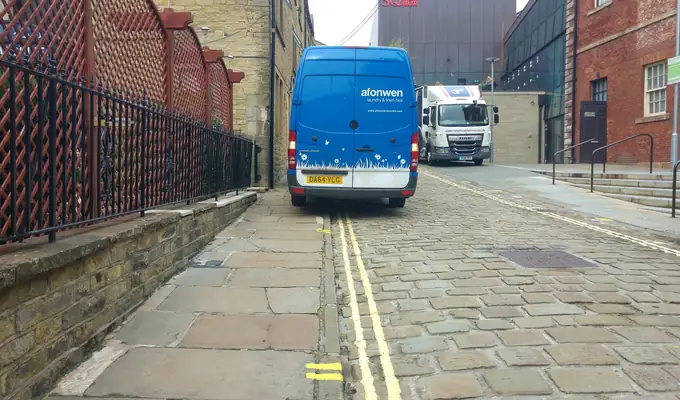 Websites for multi-location service businesses
 Texas locksmith advertising rules: license, address, cards
 Electrician license number on your website, trucks and bids
See where your site stands.
Free, about 30 seconds, no email needed.
Get your Instant Website ScoreOr ask for the full audit, done by a person.