 Digital Space Farmers
What a chiropractic website can say: the FTC's evidence rule in plain words
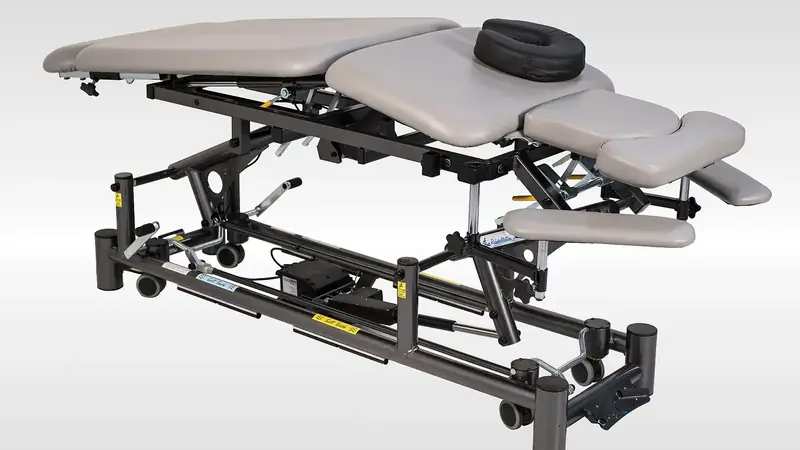
A chiropractic website can describe what you do, who you see and what a visit is like. A claim that your care treats, cures or prevents a condition needs scientific evidence behind it before it goes on the page. In 2020 and 2021 the FTC sent warning letters to chiropractic offices over COVID-19 claims, and brought its first case under a new COVID law against a chiropractor. This page explains the rule and how to write condition pages that stay on the right side of it.
Sources checked October 19, 2026, and listed at the bottom. This is general information, not legal advice. Your state board and attorney have the last word.
The short answer
- The rule: health ads must be truthful and not misleading, and health claims generally need "competent and reliable scientific evidence" before the ad runs (FTC health products compliance guidance).
- It has been enforced on chiropractors. FTC warning letters in 2020 listed a "Chiropractic/Acupuncture" group, and the first case under the COVID-19 Consumer Protection Act was against a chiropractor and his company.
- Describe, don't promise. Say what you assess and do, and who it is for. Leave out "cures", "prevents", "boosts immunity" and anything you can't back with studies.
- Testimonials count as claims. A patient story that says "my migraines are gone" is your claim once you publish it.
The rule, from the FTC's own guidance
The FTC's Health Products Compliance Guidance says ads must be "truthful and not misleading," and that health benefit and safety claims generally need "competent and reliable scientific evidence" to back them up. The evidence has to exist before the claim is made, not after someone asks.
It also covers testimonials: if a patient story reports results "more dramatic than users can generally expect," the guidance says it is "likely to be deceptive," and a small "results not typical" line does not fix it. So a story is held to the same standard as a sentence you wrote yourself.
What happened in 2020 and 2021
When COVID-19 arrived, some practices put up pages and posts saying adjustments or other services could help prevent or treat it. The FTC's response is on the public record:
- In August 2020 the FTC announced letters warning "20 more marketers nationwide," with a group labeled "Chiropractic/Acupuncture." The letters said the claims "are unsubstantiated because they are not supported by scientific evidence," and so "violate the FTC Act." Recipients were told to "immediately stop making all claims" that their products or services could prevent or treat COVID-19, and to tell the FTC within 48 hours what they had done.
- In April 2021 the FTC announced action against a St. Louis-based chiropractor and his company for marketing vitamin D and zinc products as proven COVID-19 treatments or preventives. The FTC said it was "the first case the FTC has brought under the new law," the COVID-19 Consumer Protection Act, and that deceptive COVID-19 claims could bring "penalties of up to $43,792 per violation" (the figure stated at the time).
The lesson is not limited to COVID. A claim about any condition, from headaches to ear infections to "immunity," is judged the same way: is there competent and reliable scientific evidence that your service does what the page says?
Writing condition pages that hold up
Most chiropractic sites have a page per condition: back pain, neck pain, headaches, sciatica. Those pages are what people search for, so keep them. Change how they are written.
| Instead of | Write |
|---|---|
| "We cure sciatica without surgery." | "If you have leg pain that may come from your lower back, we start with an exam to see whether our care is a fit, and we refer you on when it isn't." |
| "Adjustments boost your immune system." | Leave it out unless you can cite studies that show it. |
| "Guaranteed relief in three visits." | "Most first visits include an exam and a plan. We'll tell you how many visits we suggest and why, and you decide." |
| "Drug-free treatment for ADHD." | Leave it out unless you can cite studies that show it; describe what you actually assess instead. |
A good condition page answers: what does this feel like, what will you check, what might care involve, when do you refer someone elsewhere, and what does a first visit cost. That last part does more for bookings than any claim. Our guide on what to put on a service page covers the rest of the structure.
Patient stories and reviews
- Pick typical stories. A patient who felt better after a few visits is more honest, and more believable, than one who threw away a cane after one.
- Get written authorization. If your office is a HIPAA covered entity, using a patient's health information to market the practice needs their signed authorization. Our guide on reviews, testimonials and photos under HIPAA walks through the rule and how to reply to reviews without disclosing anything.
- Never pay for good reviews or write them. See the FTC fake review rule.
A quick check before a page goes live
- Underline every sentence that says your care treats, cures, prevents, improves or boosts something.
- For each one, can you name the study that supports it? If not, rewrite it as a description or take it out.
- Read every testimonial on the page the same way.
- Check that the page says what a first visit involves and costs, and how to book or call.
- If your state board has its own advertising rules, check those too.
Questions people ask
Can a chiropractor advertise that they treat a condition?
Only with evidence. The FTC says health claims generally need competent and reliable scientific evidence before the ad runs. Describing your exam, your approach and who you see is safer than promising to treat a condition.
Has the FTC acted against chiropractors?
Yes. In 2020 it sent warning letters that included a "Chiropractic/Acupuncture" group over COVID-19 claims, and in April 2021 it announced its first case under the COVID-19 Consumer Protection Act against a St. Louis-based chiropractor and his company.
Are patient testimonials allowed on a chiropractic website?
Yes, with the patient's written authorization and results most patients can expect. The FTC says results more dramatic than people can generally expect are likely to be deceptive.
Can I say chiropractic boosts the immune system?
Not without scientific evidence that it does. Immunity claims were the center of the FTC's COVID-19 letters to chiropractic offices.
Building or fixing a chiropractic website? See websites for chiropractors, run the free Instant Website Score on your site, or ask us to look.
Prices for every package are on our services page, or book a 15-minute call.
Sources
- FTC: Health Products Compliance Guidance
- FTC press release, August 2020: letters warning 20 more marketers over COVID-19 claims
- FTC press release, April 2021: 30 more marketers, and the first case under the COVID-19 Consumer Protection Act
- 45 CFR 164.508: uses and disclosures for which an authorization is required (Cornell LII)
Ask for a free audit More guides
Or call (346) 472-0629.
Check your own business
- Free Growth Audit: type your web address and get a score out of 100 in about 30 seconds, with what to fix first. No sign-up.
- Website cost calculator: See what a site like yours usually costs, with the assumptions shown.
- Website design for contractors: How we build sites for home service trades, and what each one includes.
Want our guides to show up first when you search Google? Pick us as a preferred source.
Add Digital Space Farmers as a preferred source on Google Websites for multi-location service businesses
 Texas mover website rules: TxDMV, USDOT and help line
 Texas locksmith advertising rules: license, address, cards
See where your site stands.
Free, about 30 seconds, no email needed.
Get your Instant Website ScoreOr ask for the full audit, done by a person.