 Digital Space Farmers
Fair housing and your real estate website: listings, photos, area pages and ads
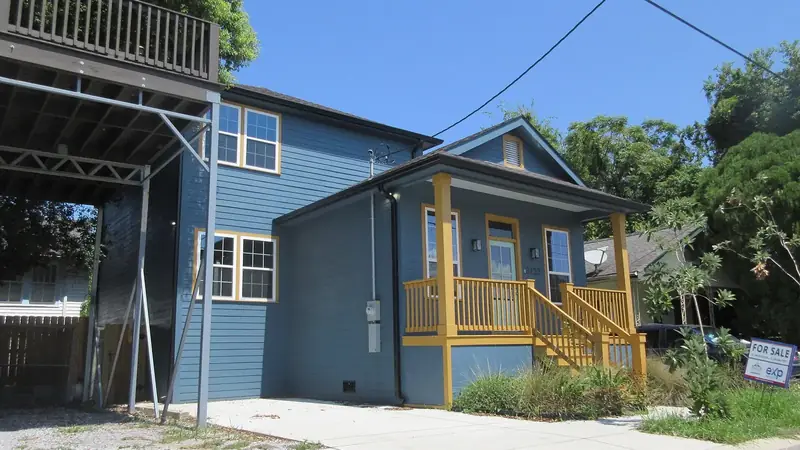
Describe the property and the facts of the area, never who should or shouldn't live there. HUD's rule makes it unlawful to publish any notice, statement or advertisement about selling or renting a home that indicates a preference, limitation or discrimination on a protected basis, and it names words, photos, symbols and even where you choose to advertise. This guide applies that to the parts of an agent's website: listings, photos, neighborhood pages, ads and how you answer inquiries.
Sources checked October 20, 2026, and listed at the bottom. This is general information, not legal advice. Your broker, your state's real estate commission and your attorney have the last word, and state and local laws can protect more groups than federal law.
The short answer
- The rule: it is unlawful to publish a notice, statement or advertisement about the sale or rental of a dwelling "which indicates any preference, limitation or discrimination because of race, color, religion, sex, handicap, familial status, or national origin" (24 CFR 100.75).
- It covers more than words: the rule's examples include "words, phrases, photographs, illustrations, symbols or forms," and "selecting media or locations" for ads in a way that keeps groups from hearing about housing.
- Describe the home, not the buyer. "Three bedrooms, fenced yard" is fine; "perfect for a young couple" points at who should live there.
- Neighborhood pages state facts. HUD's steering rule bars discouraging people by "exaggerating drawbacks" or telling them they "would not be comfortable or compatible" with residents.
The rule in plain words
The Fair Housing Act, at 42 U.S.C. 3604(c), makes it unlawful "to make, print, or publish, or cause to be made, printed, or published any notice, statement, or advertisement" about selling or renting a dwelling that shows a preference, limitation or discrimination on a protected basis. HUD's regulation, 24 CFR 100.75, spells it out. It applies to "all written or oral notices or statements by a person engaged in the sale or rental of a dwelling," and says written notices include "any applications, flyers, brochures, deeds, signs, banners, posters, billboards or any documents" used for the sale or rental.
Your website is a notice and a set of advertisements. So is each listing page, each neighborhood page, each social post and each paid ad. The protected characteristics in the federal rule are race, color, religion, sex, handicap, familial status and national origin. Many states and cities add more; check yours.
Listing descriptions
The safest habit is to describe the property and its features, and let buyers decide whether it suits them.
| Points at people (avoid) | Describes the home (use) |
|---|---|
| Perfect for a young couple | Two bedrooms, one bath, 900 square feet |
| Great for families with kids | Four bedrooms, fenced back yard |
| Ideal for a single professional | One bedroom with a home office nook |
| Quiet adult neighborhood | Cul-de-sac street, low traffic |
| Walking distance to [place of worship] | 0.4 miles to [street name] (list several nearby places, or none) |
Accessibility features are facts about the home and are useful to say: "no-step entry," "wide doorways," "first-floor bedroom." What to avoid is wording that says who can or can't use the home.
Photos and pictures
The rule names "photographs, illustrations, symbols." Pictures of the property itself (rooms, outside, the street) carry no message about who should buy. If you use photos with people on your site, such as a team page or a lifestyle banner, use your own real team and, for anything else, a range of people across your pages, so no page suggests one kind of buyer is wanted. Our guide on your own photos or stock covers why your own photos also convert better.
Neighborhood and area pages
Area pages are where agents get into trouble most easily, because they describe places and the people in them. HUD's steering rule, 24 CFR 100.70, makes it unlawful to "restrict or attempt to restrict the choices of a person by word or conduct" on a protected basis, including:
- "Discouraging any person from inspecting, purchasing or renting a dwelling."
- Discouraging a purchase by "exaggerating drawbacks or failing to inform any person of desirable features."
- "Communicating to any prospective purchaser that he or she would not be comfortable or compatible" with existing residents.
So an area page should stick to checkable facts about places and homes: the kinds and ages of homes, price ranges you can show from your own sales or listings, parks, transit, commute times, shopping, and links to official sources (city, county, school district) for anything else. It should not describe who lives there or who "fits in." Write the same kind of page, with the same care, for every area you serve.
Search engines have their own rule for area pages: copy-and-paste pages that only swap the town name are doorway pages. See city pages and doorway pages.
Ads and who sees them
The advertising rule includes "selecting media or locations for advertising the sale or rental of dwellings which deny particular segments of the housing market information about housing opportunities" on a protected basis. On a website, that usually comes up with paid ads, where you choose an audience. Choose by the area you serve and the kind of property, not by characteristics of people, and keep a record of the audience you chose for each campaign. Ad platforms also have their own housing ad rules; follow those as well.
Answering inquiries the same way
The statute also makes it unlawful "to represent to any person" on a protected basis that a home is not available when it is (42 U.S.C. 3604(d)). For a website, that means every inquiry from your forms, chat or phone gets the same answer and the same speed. A written process helps: who answers, how fast, what information you send. Our guide to speed to lead covers answering fast; the fair housing part is answering everyone the same.
A quick check for an agent's site
- Read every listing description: does any line describe a kind of person rather than the home?
- Look at every photo with people in it: does the site as a whole suggest one kind of buyer?
- Read every area page: facts about homes and places, with sources, and nothing about who lives there or would fit in?
- Check your ad audiences: chosen by place and property, not by people?
- Check your inquiry process: same answer, same speed, for everyone?
- Show what your state requires about your license and brokerage, usually in the footer.
Want your own site for this? See websites for real estate agents; a site you own keeps your listings and leads if you change brokerages (who owns your website and domain). Prices for every package are on our services page, or book a 15-minute call.
Questions people ask
Can I say a home is "great for families"?
It points at who should live there, and familial status is a protected characteristic. Describe the features instead: number of bedrooms, the yard, the floor plan.
Does fair housing apply to my website and social posts?
Yes. HUD's rule covers any notice, statement or advertisement about selling or renting a dwelling, written or oral, by a person in that business, and lists flyers, brochures, signs and similar documents. A website and social posts are advertising.
Can my neighborhood pages describe the people who live there?
Don't. HUD's steering rule bars discouraging people or telling them they would not be comfortable or compatible with residents. Describe homes, places and facts you can source.
Can I target my housing ads to certain people?
HUD's rule lists selecting media or locations that deny groups information about housing opportunities as an example of a violation. Choose ad audiences by area and property, and follow the ad platform's housing rules too.
Sources
- 24 CFR 100.75: Discriminatory advertisements, statements and notices (Cornell LII)
- 24 CFR 100.70: Other prohibited sale and rental conduct, including steering (Cornell LII)
- 42 U.S.C. 3604: Discrimination in the sale or rental of housing (Cornell LII)
Ask for a free audit More guides
Or call (346) 472-0629.
Check your own business
- Free Growth Audit: type your web address and get a score out of 100 in about 30 seconds, with what to fix first. No sign-up.
- Website cost calculator: See what a site like yours usually costs, with the assumptions shown.
- Website design for contractors: How we build sites for home service trades, and what each one includes.
Want our guides to show up first when you search Google? Pick us as a preferred source.
Add Digital Space Farmers as a preferred source on Google Websites for multi-location service businesses
 Texas mover website rules: TxDMV, USDOT and help line
 Texas locksmith advertising rules: license, address, cards
See where your site stands.
Free, about 30 seconds, no email needed.
Get your Instant Website ScoreOr ask for the full audit, done by a person.